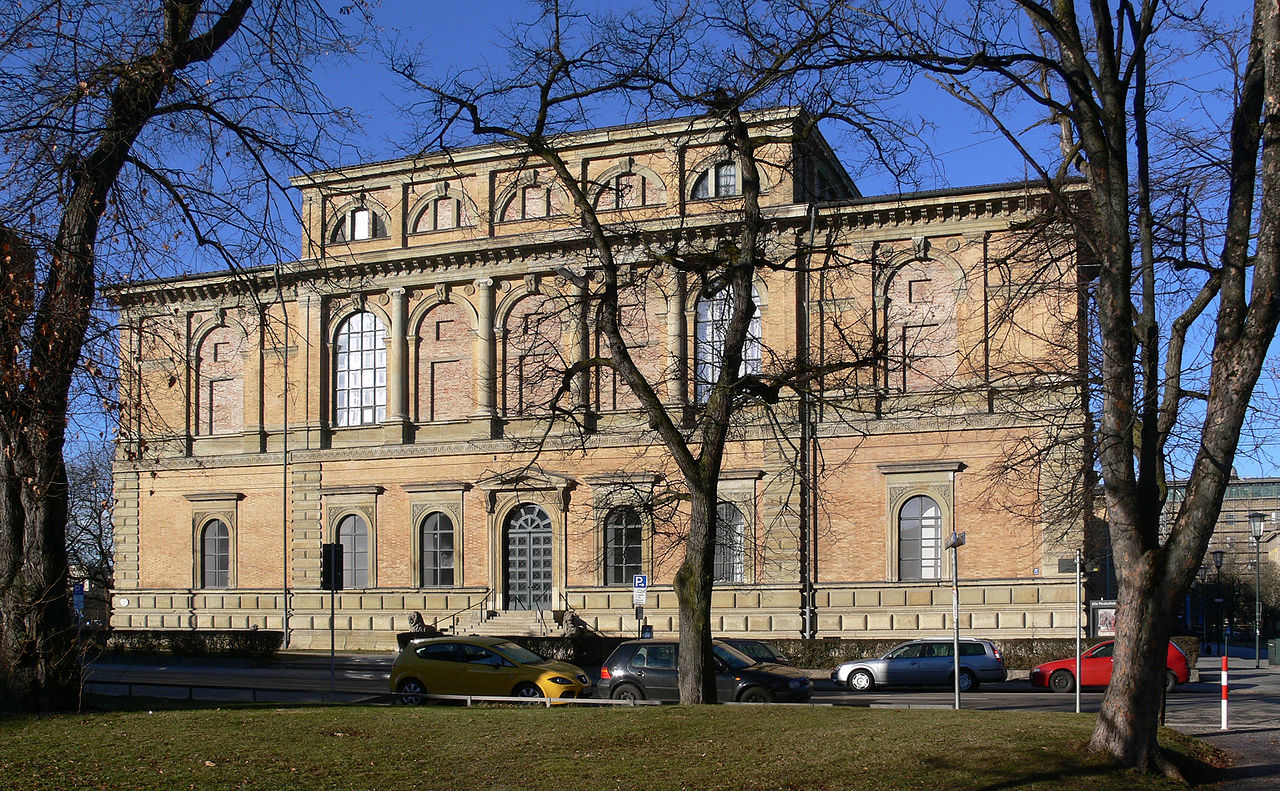
The Alte Pinakothek is a prominent art museum located in the Kunstareal district of Munich, Germany. Housed in a significant Neoclassical building designed by Leo von Klenze, the museum serves as one of the oldest and most important galleries in the world, specifically dedicated to European Old Master paintings dating from the 14th to the 18th centuries.
The collection originated from the Wittelsbach dynasty's extensive holdings, which were consolidated and opened to the public by King Ludwig I of Bavaria. The building itself, completed in 1836, was revolutionary for its time, utilizing top-lighting techniques to optimize the viewing of large-scale canvases, and it remains a foundational example of museum architecture in Europe.
Key Facts
- Materials
- Brick, Stucco, Limestone
- Civilization
- Bavarian
- Accessibility
- Fully accessible with elevators and ramps
- Date(s)
- 1826-1836
- Condition
- Active museum
- Original Function
- Public art gallery
- Key Figures
- King Ludwig I of Bavaria, Leo von Klenze
Foundations of the Collection
16th-18th CenturyThe core of the collection was assembled by the Wittelsbach dukes and electors, most notably Duke Wilhelm IV and Elector Maximilian I. These rulers actively acquired works from across Europe, establishing a tradition of royal patronage that prioritized the acquisition of significant religious and secular art.
Architectural Commission
1826-1836King Ludwig I commissioned architect Leo von Klenze to design a dedicated building to house the royal collection. Klenze's design was influenced by Italian Renaissance palazzi and featured innovative skylights, setting a new standard for museum lighting and spatial organization.
War and Reconstruction
1939-1957During World War II, the museum suffered severe damage from Allied bombing raids. The collection had been largely evacuated, but the building was left in ruins. Reconstruction began in the post-war period, and the museum reopened to the public in 1957, maintaining the original architectural character.
Cultural Significance
The Alte Pinakothek is central to Munich's identity as a cultural capital. It represents the transition of art from private royal property to public heritage, reflecting the Enlightenment-era ideal of democratizing access to high culture. The museum's collection is instrumental in the study of European art history, particularly the development of the Northern Renaissance and the Dutch Golden Age.
Interpretive Notes
Scholarly debates and areas of uncertainty
Debates often center on the attribution of specific works within the vast collection, as well as the ongoing discourse regarding the provenance of paintings acquired during the 19th century and the ethical considerations of historical royal collecting practices.
Visiting Information
Entry Rules
Open Tuesday through Sunday. Tickets can be purchased online or at the museum entrance. No large bags or umbrellas allowed in the galleries; lockers are provided.
Best Times to Visit
Weekday mornings are generally quieter. The museum is closed on Mondays.
Photography
Non-commercial photography without flash is permitted in the permanent collection galleries. Tripods and selfie sticks are prohibited.
Preservation Notes
Maintain a safe distance from all artworks. Climate control is strictly regulated; please do not touch any surfaces or frames.
Nearby POIs
11 shownSources & Further Reading
- [1]The Alte Pinakothek Munich — Herbert von Einem. Prestel Publishing (1999)
- [2]Leo von Klenze: Architect of the Bavarian Kingdom — Adrian von Buttlar. Hirmer Verlag (2010)
Key Facts
- Materials
- Brick, Stucco, Limestone
- Civilization
- Bavarian
- Accessibility
- Fully accessible with elevators and ramps
- Date(s)
- 1826-1836
- Condition
- Active museum
- Original Function
- Public art gallery
- Key Figures
- King Ludwig I of Bavaria, Leo von Klenze