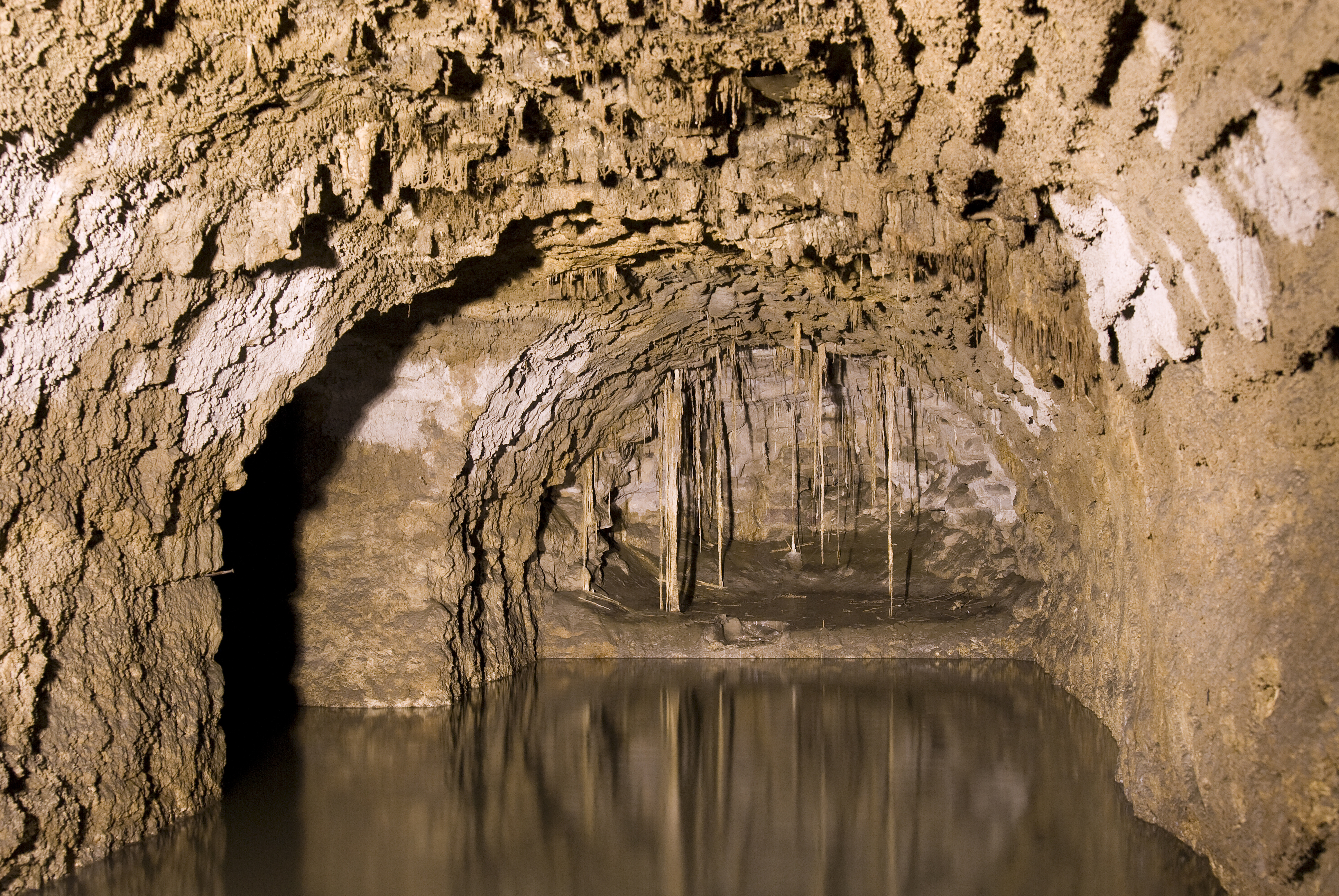
Victoria Bastion is a prominent 17th-century fortification located in the border city of Narva, Estonia. Constructed during the period of Swedish rule, it served as a critical defensive element of the city's star-shaped fortification system, designed to protect the strategic crossing of the Narva River against external threats.
The structure is notable for its well-preserved casemates and its role in the various conflicts that shaped the Baltic region. Following the Great Northern War, the bastion remained a significant military site under the Russian Empire, eventually transitioning from an active defensive installation to a historical landmark and tourist destination.
Key Facts
- Materials
- Limestone, Brick, Earth
- Civilization
- Swedish Empire
- Accessibility
- Limited due to subterranean passages
- Date(s)
- 1680s
- Condition
- Restored and open for guided tours
- Original Function
- Military fortification
- Key Figures
- Erik Dahlbergh
Swedish Construction
1680sThe bastion was designed by the Swedish military engineer Erik Dahlbergh as part of a massive modernization of Narva's defenses. It was built according to the New Dutch system, featuring thick earthen ramparts faced with stone.
Great Northern War
1700-1704The bastion saw significant action during the siege of Narva. Despite its advanced design, the fortress eventually fell to Russian forces under Peter the Great, marking a shift in regional power.
Modern Restoration
21st centuryIn recent years, the bastion and its extensive network of casemates have undergone significant restoration. The site now serves as a museum, highlighting the military history of the region and the unique subterranean architecture of the fortification.
Cultural Significance
Victoria Bastion stands as a symbol of Narva's complex history as a frontier city between Eastern and Western powers. It represents the height of 17th-century military engineering and serves as a focal point for local heritage and historical tourism in Estonia.
Interpretive Notes
Scholarly debates and areas of uncertainty
Debates exist regarding the extent of the original Swedish design versus later Russian modifications, as the site was continuously adapted for military use until the 19th century.
Visiting Information
Entry Rules
Access to the casemates is restricted to guided tours. Visitors are advised to wear warm clothing as the subterranean tunnels maintain a constant low temperature.
Best Times to Visit
Summer months are ideal for exploring the exterior ramparts and surrounding park areas.
Photography
Photography is permitted in most areas, though flash may be discouraged in sensitive subterranean sections.
Preservation Notes
The site is fragile; visitors must stay on designated paths and avoid touching the historical masonry in the casemates.
Nearby POIs
8 shownSources & Further Reading
- [1]The Fortifications of Narva — Kaur Alttoa. Estonian Heritage Board (2015)
- [2]Erik Dahlbergh and the Swedish Fortifications in the Baltic — Boris Mollo. Military History Journal (1998)
Key Facts
- Materials
- Limestone, Brick, Earth
- Civilization
- Swedish Empire
- Accessibility
- Limited due to subterranean passages
- Date(s)
- 1680s
- Condition
- Restored and open for guided tours
- Original Function
- Military fortification
- Key Figures
- Erik Dahlbergh