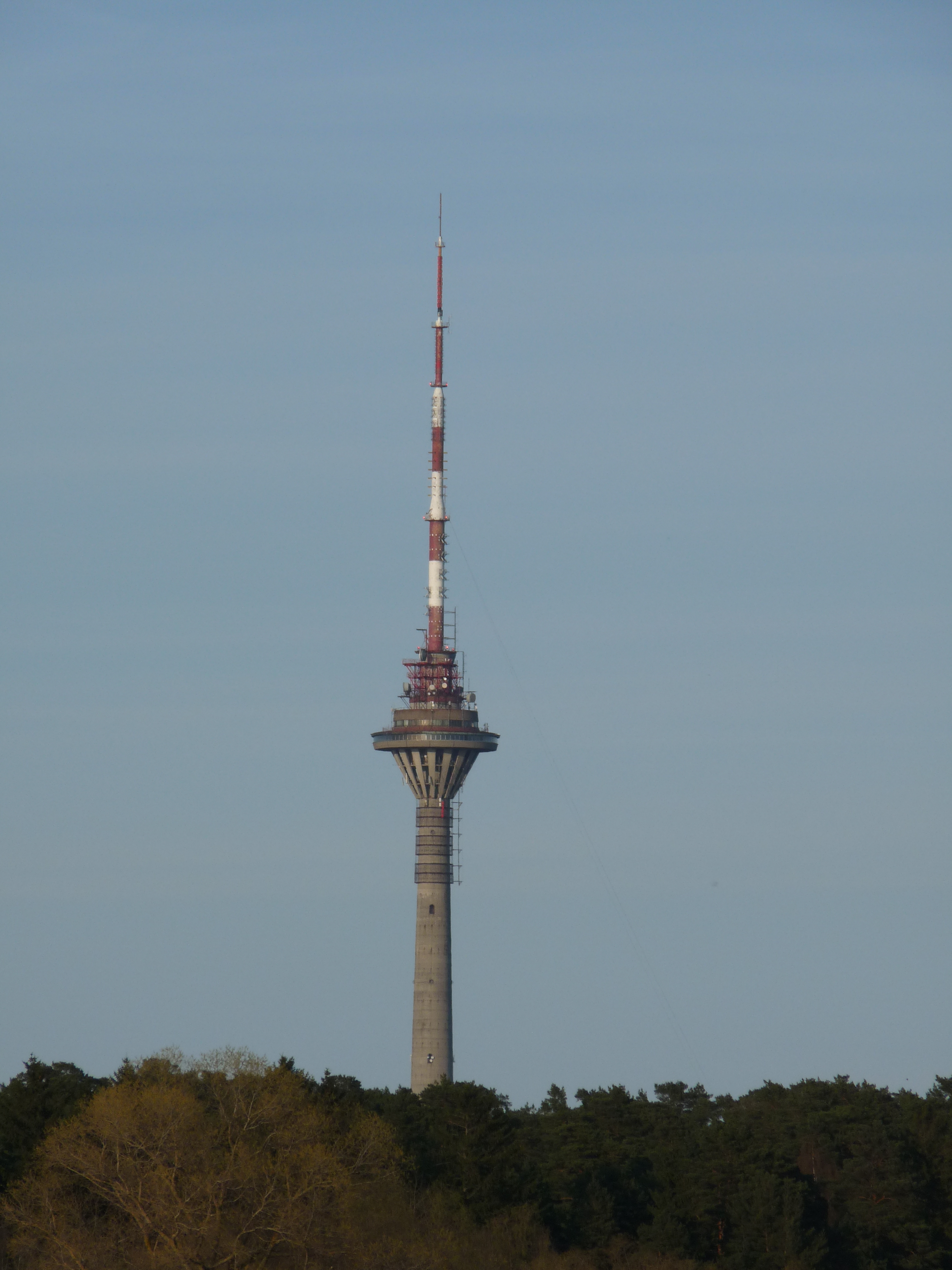
The Tallinn TV Tower is a 314-meter-high telecommunications and observation tower located in the Pirita district of Tallinn, Estonia. Completed in 1980 to provide improved telecommunications for the Moscow Summer Olympics sailing events, it remains the tallest structure in the country.
The tower features a reinforced concrete shaft topped by a steel antenna and a two-story observation deck. Following a major renovation that concluded in 2012, the facility was reopened to the public as a tourist destination, offering interactive exhibits on Estonian history and technology alongside panoramic views of the city and the Baltic Sea.
Key Facts
- Materials
- Reinforced concrete, Steel
- Civilization
- Soviet Estonian
- Accessibility
- Elevator access to observation deck
- Date(s)
- 1975-1980
- Condition
- Fully operational and restored
- Original Function
- Telecommunications and broadcasting
- Key Figures
- David Baziladze, Jaan Poska
Construction for the Olympics
1975-1980The tower was commissioned to ensure reliable telecommunications for the 1980 Moscow Olympics, specifically for the sailing regatta held in Tallinn. Construction utilized a slip-forming technique for the concrete shaft.
Role in Restoration of Independence
1991During the August 1991 Soviet coup d'état attempt, the tower became a focal point of resistance. Estonian defenders barricaded the ground floor to prevent Soviet troops from seizing the broadcasting equipment, successfully maintaining the country's communication links during the transition to independence.
Modernization and Reopening
2007-2012The tower was closed to the public in 2007 due to safety concerns. A comprehensive renovation project modernized the interior, added interactive multimedia displays, and upgraded the observation deck, leading to its reopening in 2012.
Cultural Significance
The Tallinn TV Tower serves as a symbol of both Soviet-era engineering and Estonian resilience. Its role in the 1991 events has cemented its status as a site of national importance, representing the protection of free speech and independence during the restoration of the Estonian state.
Interpretive Notes
Scholarly debates and areas of uncertainty
There is limited scholarly debate regarding the structure, though architectural historians occasionally discuss the tower's place within the broader context of Soviet modernist infrastructure and its aesthetic impact on the Tallinn skyline.
Visiting Information
Entry Rules
Open daily. Tickets are required for entry to the observation deck. Visitors are subject to security checks upon arrival.
Best Times to Visit
Clear days provide the best visibility across the Baltic Sea. Sunset hours are popular for panoramic photography.
Photography
Personal photography is permitted. Professional filming or commercial photography requires prior authorization from the administration.
Preservation Notes
The structure is subject to ongoing maintenance due to its height and exposure to coastal weather conditions. Visitors are requested to follow all safety signage on the observation deck.
Nearby POIs
11 shownKey Facts
- Materials
- Reinforced concrete, Steel
- Civilization
- Soviet Estonian
- Accessibility
- Elevator access to observation deck
- Date(s)
- 1975-1980
- Condition
- Fully operational and restored
- Original Function
- Telecommunications and broadcasting
- Key Figures
- David Baziladze, Jaan Poska