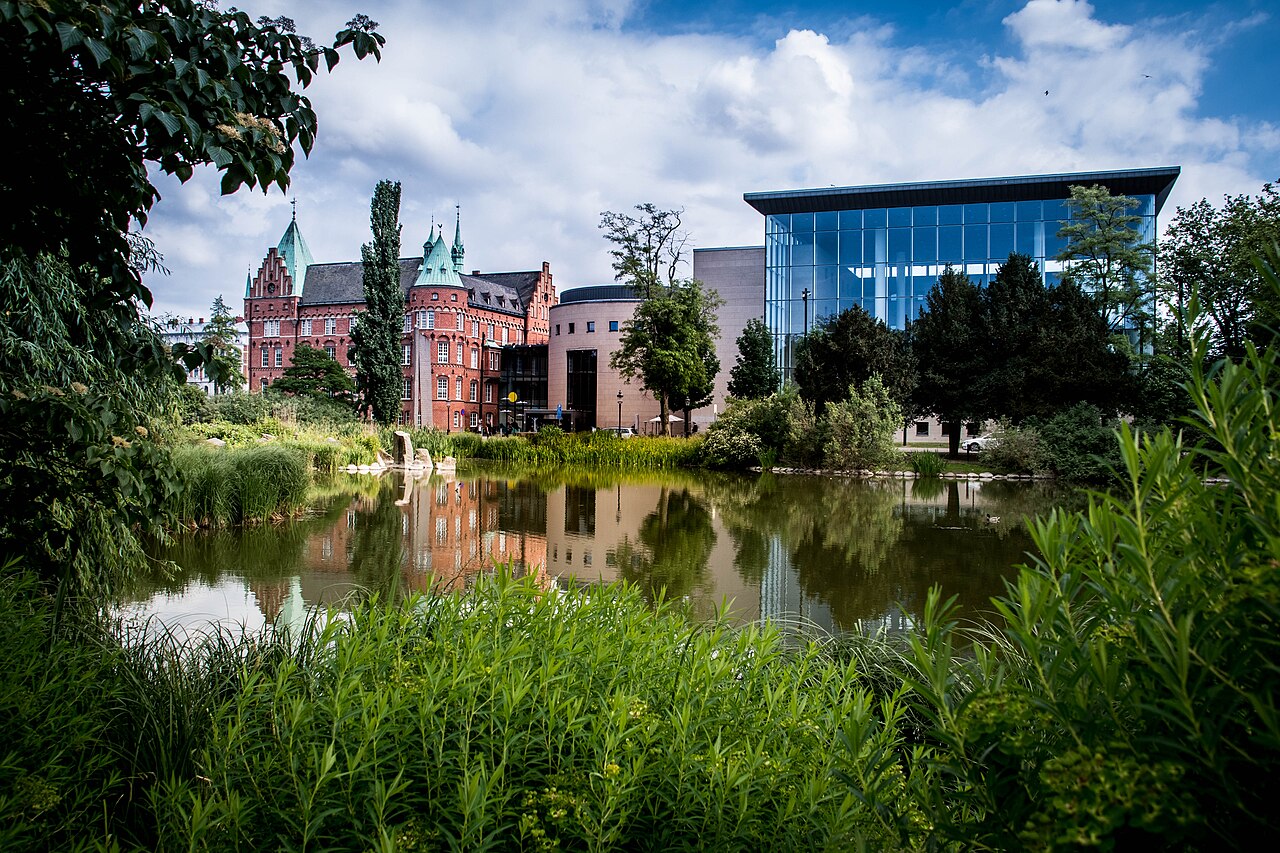
The Malmö City Library (Malmö stadsbibliotek) is a prominent public institution located in the heart of Malmö, Sweden. While the library's history dates back to its initial founding in 1905, the current facility is best known for its iconic 'Calendar of Light' extension, designed by Danish architect Henning Larsen and inaugurated in 1997. The structure is celebrated for its extensive use of glass, which creates a seamless connection between the interior reading spaces and the surrounding Slottsparken park.
The library houses a vast collection of over 550,000 media items, encompassing books, periodicals, DVDs, and music. It has gained international recognition for its progressive approach to media accessibility, having pioneered the lending of video games as early as 2006. The facility serves as a central hub for cultural exchange, digital literacy, and community engagement in the Scania region.
Key Facts
- Materials
- Glass, Steel, Concrete, Wood
- Civilization
- Swedish
- Accessibility
- Fully wheelchair accessible with elevator access to all floors
- Date(s)
- 1905 (original), 1997 (extension)
- Condition
- Active and fully operational
- Original Function
- Public library
- Key Figures
- Henning Larsen
Founding and Early Years
1905The Malmö City Library was established in 1905 to serve the growing educational needs of the city's population. It initially operated from smaller premises before expanding its collection and services throughout the 20th century.
The Calendar of Light Extension
1997To accommodate a growing collection and modern user needs, the library underwent a major expansion. Architect Henning Larsen designed the 'Calendar of Light,' a glass-walled structure that serves as the main entrance and central hub, significantly increasing the library's floor space and natural lighting.
Digital Innovation
2006 - PresentIn 2006, the library became a pioneer in public service by introducing video game lending. This initiative marked a shift toward broader digital inclusion, establishing the library as a modern media center rather than a traditional book repository.
Cultural Significance
The library is a cornerstone of Malmö's cultural infrastructure, representing the Swedish commitment to universal access to information and lifelong learning. Its architectural design, particularly the integration of the 'Calendar of Light' with the historic park, has made it a landmark of modern Scandinavian design that emphasizes transparency and public openness.
Interpretive Notes
Scholarly debates and areas of uncertainty
Discussions regarding the library often center on the balance between traditional archival functions and the evolving role of public libraries as digital community centers. Scholars of architecture frequently debate the long-term maintenance challenges associated with large-scale glass facades in Nordic climates.
Visiting Information
Entry Rules
Open to the public. Entry is free. Visitors are expected to maintain a quiet environment in designated study areas. Library cards are required for borrowing materials.
Best Times to Visit
Weekday mornings are generally quieter for those seeking a study environment. The library is particularly vibrant during local cultural festivals and school holiday programs.
Photography
Personal photography is permitted for non-commercial purposes. Respect the privacy of other patrons and staff when taking photographs.
Preservation Notes
The glass facade requires specialized maintenance. Patrons are asked to refrain from touching the glass surfaces and to use designated waste disposal areas to maintain the cleanliness of the park-facing reading rooms.
Nearby POIs
11 shownKey Facts
- Materials
- Glass, Steel, Concrete, Wood
- Civilization
- Swedish
- Accessibility
- Fully wheelchair accessible with elevator access to all floors
- Date(s)
- 1905 (original), 1997 (extension)
- Condition
- Active and fully operational
- Original Function
- Public library
- Key Figures
- Henning Larsen