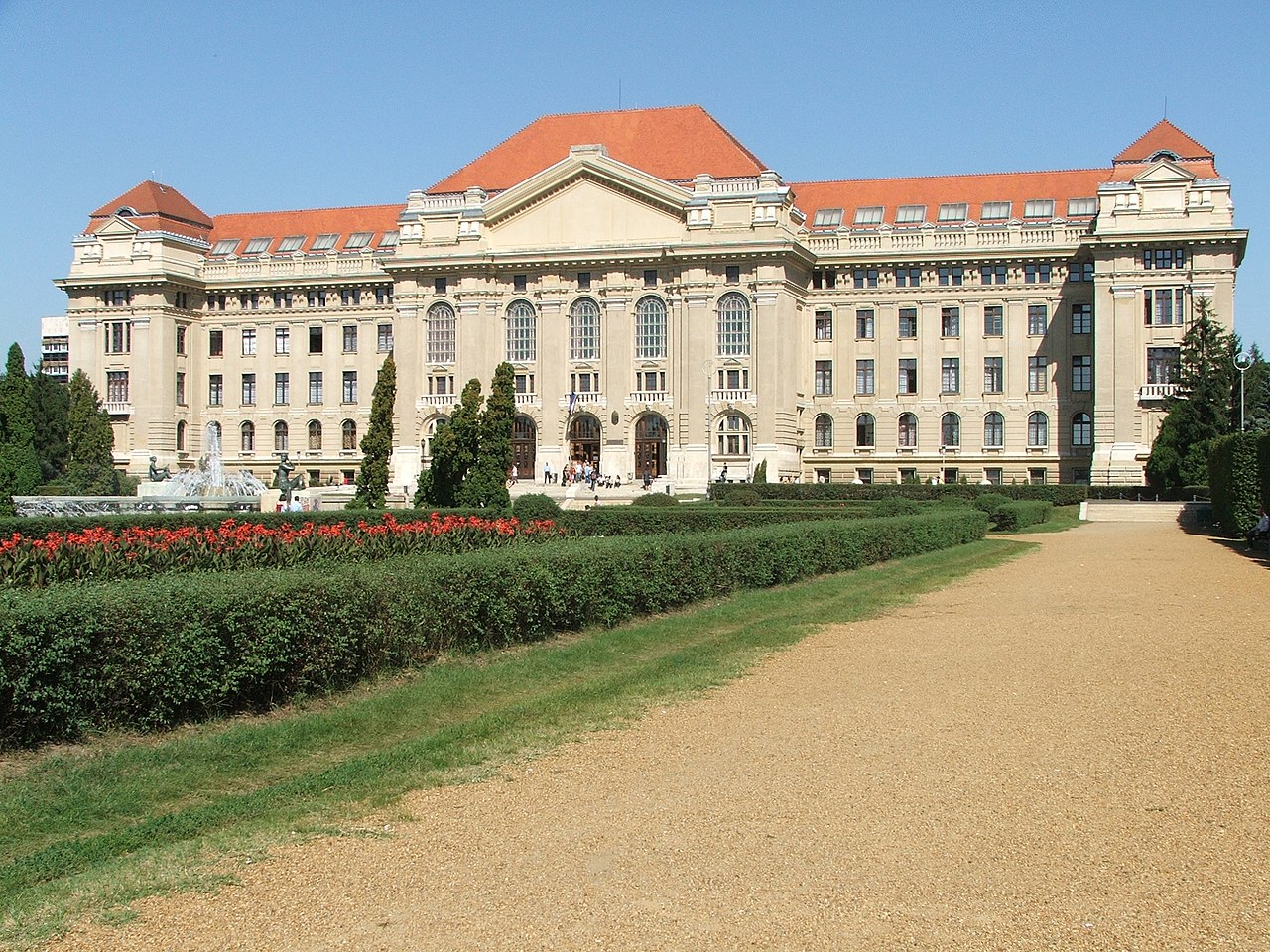
The Déri Museum is a prominent cultural institution located in Debrecen, Hungary, housed in a significant Neo-Baroque building designed by architects Kálmán Lux and György Lengyel. Opened in 1930, the museum was established to house the extensive private collection of Frigyes Déri, a wealthy silk manufacturer and art collector who donated his vast assemblage of historical, archaeological, and ethnographic artifacts to the city.
The museum's collection is diverse, encompassing Hungarian history, fine arts, and significant archaeological finds from the Carpathian Basin. It is particularly noted for its Munkácsy Hall, which displays the monumental 'Christ Trilogy' by the renowned Hungarian painter Mihály Munkácsy, a centerpiece of the museum's artistic holdings.
Key Facts
- Materials
- Stone, Brick, Stucco
- Civilization
- Hungarian
- Accessibility
- Wheelchair accessible
- Date(s)
- 1928-1930
- Condition
- Well-preserved, active museum
- Original Function
- Museum and cultural center
- Key Figures
- Frigyes Déri, Mihály Munkácsy, Kálmán Lux
Foundation and Collection
1920sThe museum was founded following the generous donation of Frigyes Déri's private collection. The city of Debrecen provided the site, and the construction of the purpose-built museum building began in 1928 to accommodate the vast array of artifacts.
Opening and Early Years
1930The Déri Museum officially opened its doors in 1930. It quickly became a focal point for regional research and public education, integrating local archaeological findings with the international collection donated by Déri.
Modern Development
20th Century - PresentThroughout the late 20th century, the museum expanded its scope to include more comprehensive exhibitions on local history and ethnography. Recent renovations have focused on the preservation of the Munkácsy paintings and the modernization of exhibition spaces.
Cultural Significance
The Déri Museum serves as the primary repository for the cultural heritage of the Hajdú-Bihar region. It plays a critical role in preserving the identity of Debrecen, acting as both a research center and a public space for engagement with Hungarian art and history.
The presence of the Munkácsy Trilogy has elevated the museum to a national level of importance, drawing visitors from across Europe and serving as a symbol of Hungarian artistic achievement in the 19th century.
Interpretive Notes
Scholarly debates and areas of uncertainty
Discussions regarding the museum often center on the provenance and classification of the diverse international artifacts within the Déri collection, particularly regarding the ethical acquisition of non-European antiquities during the early 20th century.
Visiting Information
Entry Rules
Open Tuesday through Sunday. Tickets can be purchased at the entrance. Photography is permitted for non-commercial use without flash.
Best Times to Visit
Weekday mornings are generally quieter. The museum is a popular destination during the Debrecen Flower Carnival in August.
Photography
Flash photography and tripods are prohibited inside the galleries.
Preservation Notes
Maintain a respectful distance from all artifacts and paintings. Do not touch the display cases or wall surfaces.
Nearby POIs
1 shownSources & Further Reading
- [1]Déri Múzeum Debrecen: History and Collections — Déri Museum Staff. Déri Múzeum Official Publication (2015)View
- [2]The Art of Mihály Munkácsy — László Végvári. Corvina Press (1983)
Key Facts
- Materials
- Stone, Brick, Stucco
- Civilization
- Hungarian
- Accessibility
- Wheelchair accessible
- Date(s)
- 1928-1930
- Condition
- Well-preserved, active museum
- Original Function
- Museum and cultural center
- Key Figures
- Frigyes Déri, Mihály Munkácsy, Kálmán Lux