Cluj-Napoca
Cluj-Napoca is a destination in Romania featured on Vestigia's cultural landmark map and wiki. Browse notable points of interest below, explore nearby cities, and use our interactive map to plan visits across the region.
Notable POIs in Cluj-Napoca
7 listed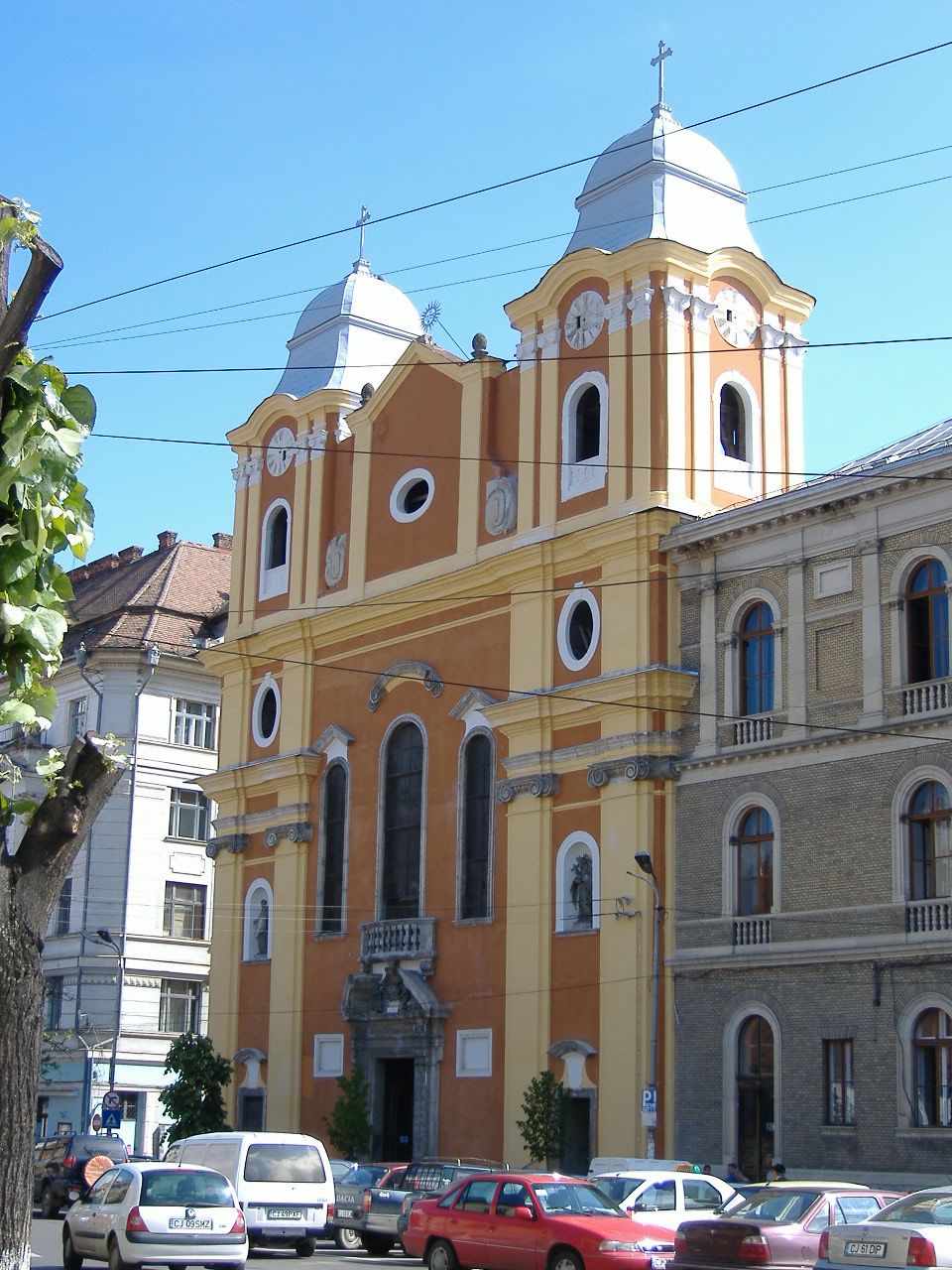
Cluj-Napoca Piarists' Church
POIBaroque-style church built in the 18th century, serving as the first Roman Catholic place of worship constructed in the city after the Protestant Reformation.

Ethnographic Museum of Transylvania
POIMuseum documenting the traditional lifestyle and folk culture of the Transylvanian region, featuring an extensive collection of artifacts and an open-air section with historic buildings.

Matthias Corvinus House
POILate Gothic building dating to the 15th century, serving as the birthplace of King Matthias Corvinus and currently housing an art and design institute.

Matthias Rex Monument
POIBronze equestrian statue depicting King Matthias Corvinus, created by sculptor János Fadrusz and unveiled in 1902 to commemorate the Hungarian monarch's legacy.

Dormition of the Theotokos Cathedral
POIOrthodox cathedral built in the early 20th century, featuring a blend of Byzantine and Brâncovenesc architectural styles and a prominent central dome.

National Museum of the History of Transylvania
POIMuseum housing an extensive collection of artifacts documenting the history of the Transylvania region from prehistoric times through the modern era.

Saint Michael’s Church
POIGothic-style Roman Catholic church featuring a prominent 14th-century nave and a 19th-century neo-Gothic tower, serving as a landmark of Transylvanian ecclesiastical architecture.