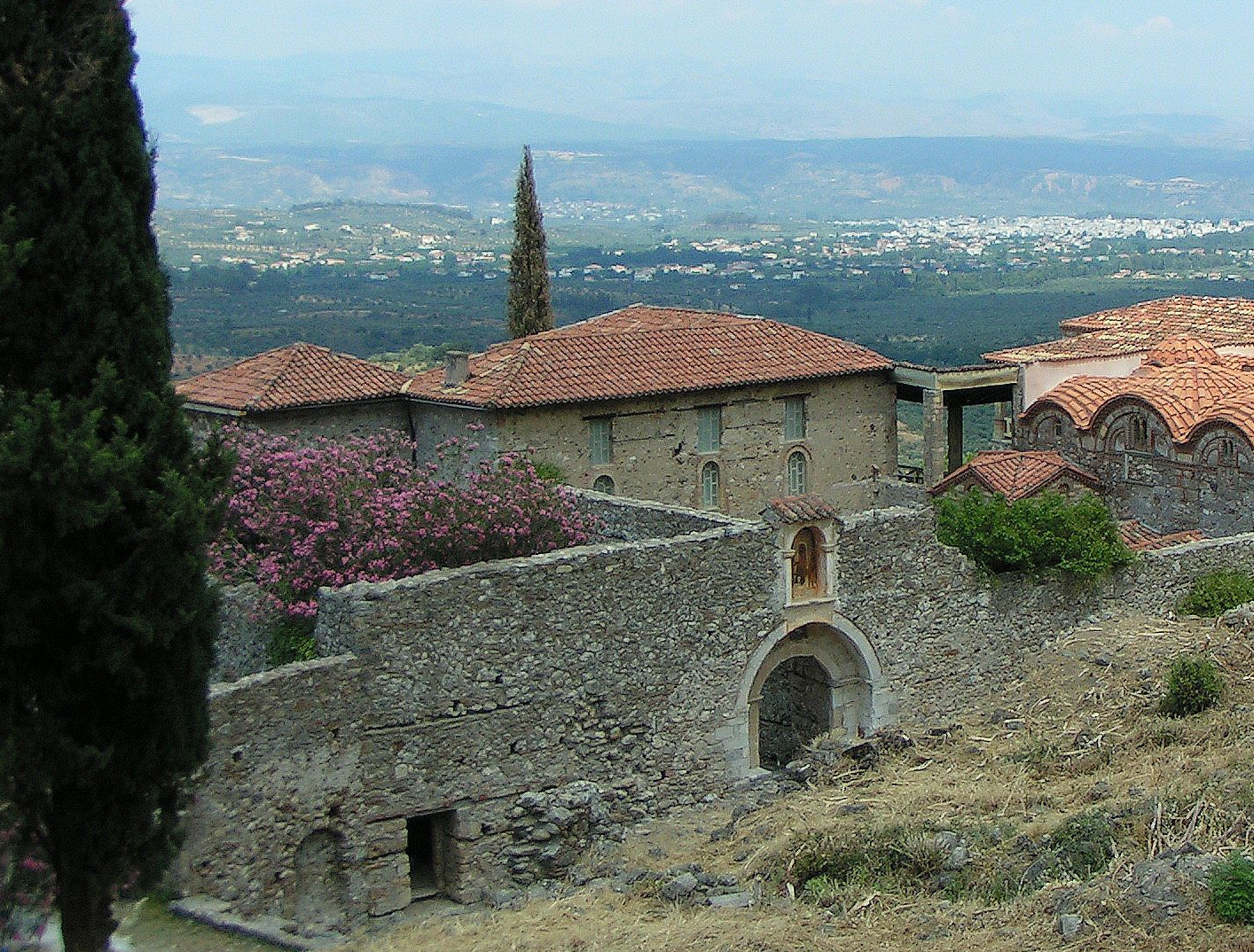
The Archaeological Museum of Mystras is housed within a historic two-story building located inside the archaeological site of the fortified Byzantine city of Mystras. It serves as the primary repository for artifacts recovered from the surrounding ruins, documenting the artistic and cultural evolution of the region from the Early Christian period through the late Byzantine era and into the post-Byzantine years.
The collection features a diverse array of items, including architectural sculptures, marble reliefs, ecclesiastical vessels, and fragments of wall paintings. These exhibits provide essential context for the nearby churches and palaces, illustrating the daily life, religious practices, and aesthetic standards of the Despotate of the Morea.
Key Facts
- Materials
- Stone, Wood, Marble
- Civilization
- Byzantine
- Accessibility
- Ground floor accessible; upper floor via stairs
- Date(s)
- 1754
- Condition
- Restored and active as a museum
- Original Function
- Metropolitan Bishop's residence
- Key Figures
- Metropolitan Ananias of Lacedaemon
Building Origins
18th CenturyThe building was originally constructed in 1754 to serve as the residence for the Metropolitan Bishop of Lacedaemon. It stands as a significant example of the local domestic architecture of the period.
Establishment of the Museum
1952The museum was officially established in 1952 to house the growing collection of artifacts discovered during excavations of the Byzantine city of Mystras, which had been abandoned since the 19th century.
Modern Curation
21st CenturyThe museum underwent significant reorganization to better integrate its collection with the broader UNESCO World Heritage site, focusing on thematic displays that connect the artifacts to the specific monuments where they were originally found.
Cultural Significance
The museum is vital for understanding the transition of the Peloponnese from the late Byzantine period to the Ottoman era. It preserves the material culture of the Despotate of the Morea, a period often considered the final flowering of Byzantine art and intellect before the fall of Constantinople.
As part of the Mystras archaeological complex, the museum reinforces the site's status as a UNESCO World Heritage monument, providing the necessary scholarly context for the frescoes and architecture found in the nearby churches.
Interpretive Notes
Scholarly debates and areas of uncertainty
There is ongoing academic discussion regarding the provenance of certain portable icons and liturgical objects held in the collection, specifically concerning their movement between the various monastic complexes of Mystras during the 18th and 19th centuries.
Visiting Information
Entry Rules
Entry is included with the ticket for the archaeological site of Mystras. Open daily, though hours may vary seasonally. Visitors are expected to maintain a quiet demeanor.
Best Times to Visit
Early morning or late afternoon to avoid the heat of the Spartan plain and the peak tour bus crowds.
Photography
Non-commercial photography is permitted without flash. Tripods and professional equipment require prior authorization from the Ephorate of Antiquities of Laconia.
Preservation Notes
Maintain a respectful distance from all artifacts. Do not use flash photography, as it can damage the pigments on ancient textiles and painted surfaces.
Nearby POIs
2 shownSources & Further Reading
- [1]Mystras: The Byzantine City — Manolis Chatzidakis. Ekdotike Athenon (1992)
- [2]The Archaeological Museum of Mystras — Hellenic Ministry of Culture. Odysseus Cultural Portal (2023)View
Key Facts
- Materials
- Stone, Wood, Marble
- Civilization
- Byzantine
- Accessibility
- Ground floor accessible; upper floor via stairs
- Date(s)
- 1754
- Condition
- Restored and active as a museum
- Original Function
- Metropolitan Bishop's residence
- Key Figures
- Metropolitan Ananias of Lacedaemon