Indianapolis,United States of America
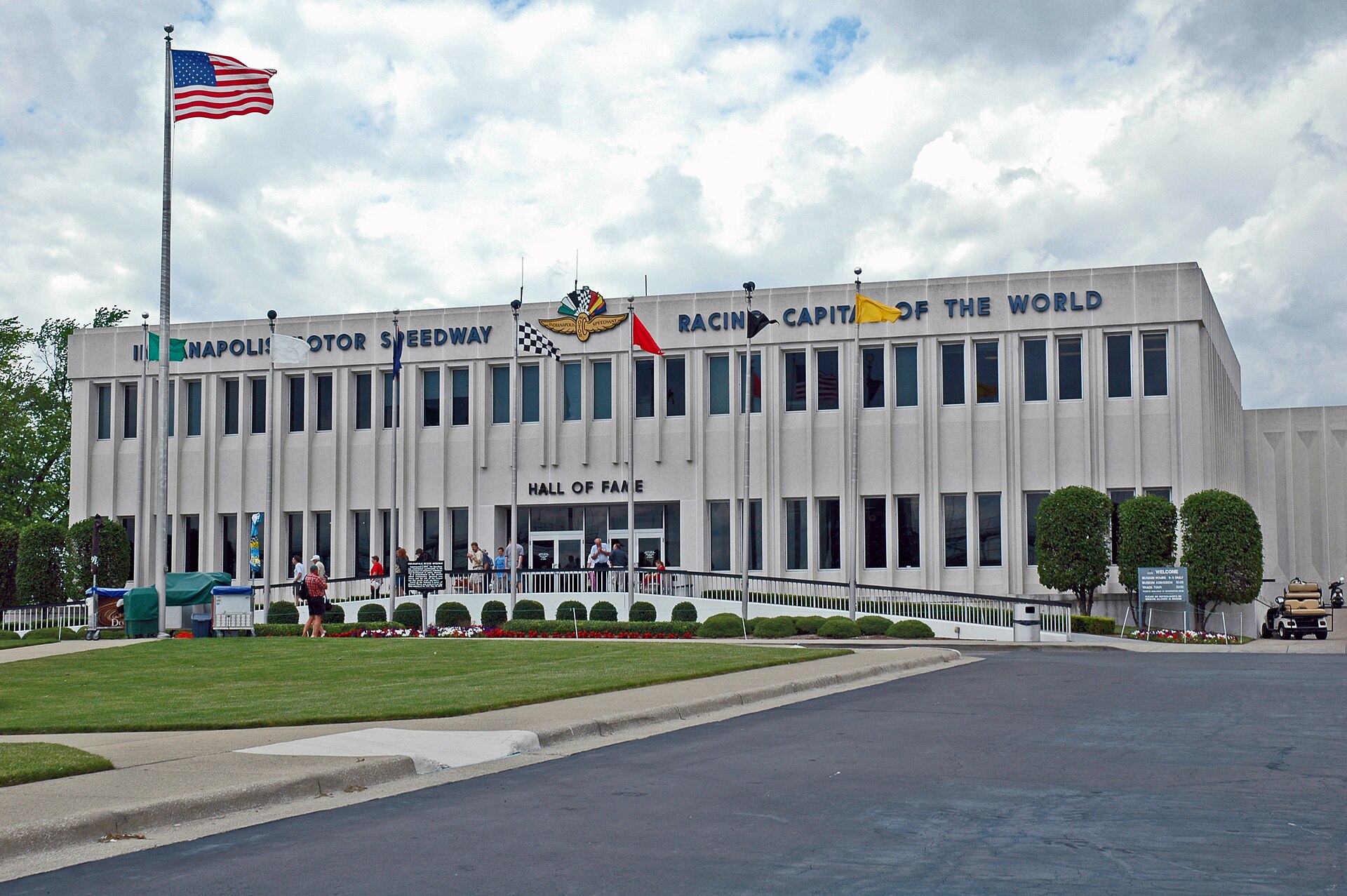
Indianapolis Motor Speedway Museum
The Indianapolis Motor Speedway Museum is located on the grounds of the historic Indianapolis Motor Speedway in Speedway, Indiana. Established in 1956, the museum serves as a repository for the history of the Indianapolis 500 and the broader evolution of automotive engineering and motorsports.
The facility houses the Indianapolis Motor Speedway Hall of Fame and maintains an extensive collection of racing vehicles, including numerous winning cars from the Indianapolis 500. Beyond open-wheel racing, the museum features exhibits on passenger car history, motorcycle racing, and the technological advancements that have defined the American automotive industry throughout the 20th century.
Key Facts
- Materials
- Steel, Glass, Concrete
- Civilization
- United States
- Accessibility
- Fully wheelchair accessible
- Date(s)
- 1956
- Condition
- Active and operational
- Original Function
- Motorsports museum and Hall of Fame
- Key Figures
- Tony Hulman, Ray Harroun
Establishment
1956The museum was founded by Tony Hulman, the owner of the Indianapolis Motor Speedway, to preserve the history of the track and the Indianapolis 500 race. It was originally located outside the track grounds before moving to its current site inside the oval in 1976.
Expansion and Hall of Fame
1970s - 1990sThe museum expanded its scope to include the Indianapolis Motor Speedway Hall of Fame, honoring drivers, owners, and mechanics who contributed significantly to the sport. The collection grew to include a diverse array of international racing machines and significant automotive artifacts.
Modern Era
2000s - PresentThe museum continues to serve as a primary educational resource for automotive history. Recent initiatives have focused on digital archiving and the renovation of exhibition spaces to better showcase the technical evolution of racing technology.
Cultural Significance
The museum is central to the identity of Indianapolis as a global hub for motorsports. It acts as a cultural touchstone for the 'Greatest Spectacle in Racing,' preserving the legacy of the Indianapolis 500 and its impact on American engineering and popular culture.
Interpretive Notes
Scholarly debates and areas of uncertainty
Discussions within the automotive history community often focus on the preservation versus restoration of historic racing vehicles, specifically regarding how much original material should be maintained versus replaced to ensure the cars remain functional for exhibition runs.
Visiting Information
Entry Rules
Open daily with standard admission fees. Tickets can be purchased on-site or online. Visitors are encouraged to check the official website for closures during major track events.
Best Times to Visit
Weekdays during the off-season for smaller crowds. Visiting during the month of May provides the most immersive experience due to the proximity to the Indianapolis 500 activities.
Photography
Personal photography is permitted. Commercial photography and professional equipment require prior authorization from the museum administration.
Preservation Notes
Do not touch the vehicles or display artifacts. Maintain a respectful distance from all exhibits to ensure the longevity of the collection.
Nearby POIs
0 shownNo nearby POIs listed yet.
Sources & Further Reading
- [1]Indianapolis Motor Speedway Museum Official History — IMS Museum Staff. Indianapolis Motor Speedway Museum (2023)View
- [2]The History of the Indianapolis 500 — Donald Davidson. Signature Press (2006)
Key Facts
- Materials
- Steel, Glass, Concrete
- Civilization
- United States
- Accessibility
- Fully wheelchair accessible
- Date(s)
- 1956
- Condition
- Active and operational
- Original Function
- Motorsports museum and Hall of Fame
- Key Figures
- Tony Hulman, Ray Harroun
Nearby POIs
0 shownNo nearby POIs listed yet.