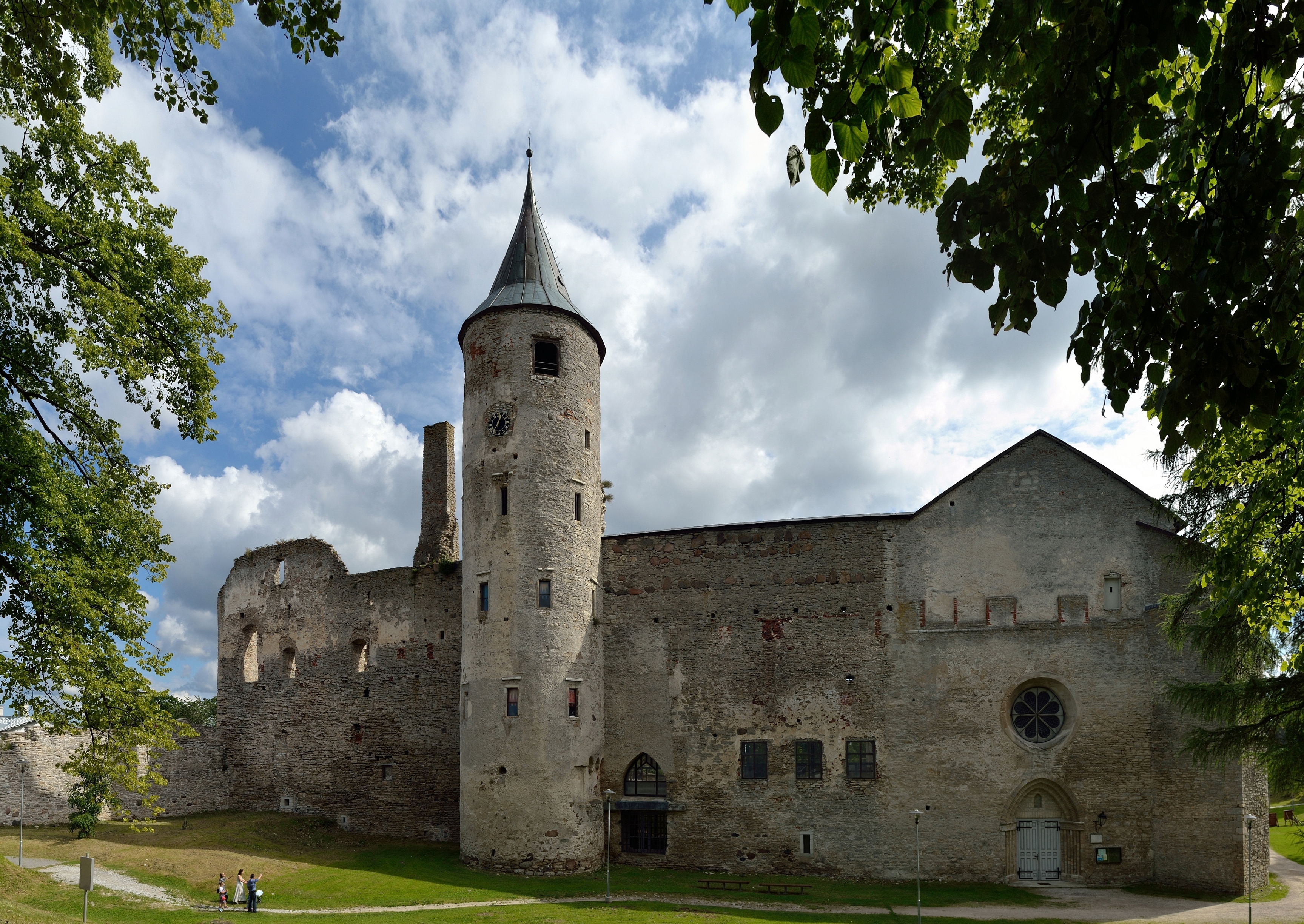
Haapsalu Castle, also known as Haapsalu Episcopal Castle, is a 13th-century fortification located in the town of Haapsalu, Estonia. Originally constructed as the center of the Bishopric of Ösel-Wiek, the complex served as the primary residence for the bishop and the administrative hub of the region throughout the Middle Ages.
The site features a well-preserved cathedral, which remains one of the largest single-nave churches in the Baltic states. Following centuries of military use and subsequent decline, the castle underwent significant restoration in the 20th century and now functions as a museum documenting the history of the stronghold, the bishopric, and the architectural evolution of medieval Estonian fortifications.
Key Facts
- Materials
- Limestone, Fieldstone, Brick
- Civilization
- Bishopric of Ösel-Wiek
- Accessibility
- Grounds are accessible; some interior museum areas have stairs
- Date(s)
- 13th century
- Condition
- Partially restored, active museum
- Original Function
- Episcopal residence and fortress
- Key Figures
- Bishop Hermann I of Buxhoeveden
Foundation and Early Development
13th centuryThe castle was established as the seat of the Bishopric of Ösel-Wiek. Its strategic location on the coast provided both defensive advantages and access to maritime trade routes, facilitating the growth of the surrounding town.
Expansion and Military Significance
14th-16th centuryDuring the Middle Ages, the castle was expanded with additional defensive walls and towers. It played a critical role in regional conflicts, including the Livonian War, which eventually led to the decline of the bishopric's power.
Decline and Ruin
17th-19th centuryFollowing the Swedish conquest and subsequent wars, the castle lost its military importance. Much of the structure fell into disrepair, with parts of the walls and fortifications suffering from neglect and environmental damage.
Modern Restoration
20th century - presentSystematic preservation efforts began in the 20th century to stabilize the ruins. Today, the site is managed as a museum, with ongoing conservation work focused on maintaining the structural integrity of the cathedral and the main castle walls.
Cultural Significance
Haapsalu Castle is a central landmark in Estonian medieval history, representing the ecclesiastical and political power of the medieval bishoprics. It is deeply embedded in local folklore, most notably the legend of the 'White Lady,' a spectral figure said to appear in the cathedral window during the full moon in August, which draws significant cultural interest and tourism to the town.
Interpretive Notes
Scholarly debates and areas of uncertainty
There is ongoing academic discussion regarding the exact sequence of the castle's defensive wall construction and the extent to which the site was influenced by contemporary Western European military architecture versus local Baltic building traditions.
Visiting Information
Entry Rules
The castle grounds and museum are open to the public. Tickets are required for museum entry and access to the cathedral interior. Opening hours vary by season, with extended hours during the summer months.
Best Times to Visit
Late spring to early autumn for outdoor exploration. The annual 'White Lady Days' festival in August is a significant cultural event.
Photography
Personal photography is permitted throughout the grounds. Commercial photography requires prior authorization from the museum administration.
Preservation Notes
Visitors are advised to stay on marked paths, as some areas of the ruins are fragile. Climbing on unrestored wall sections is strictly prohibited.
Nearby POIs
0 shownNo nearby POIs listed yet.
Sources & Further Reading
- [1]The Bishopric of Ösel-Wiek: A History — Tiina Kala. Estonian Academy of Arts (2012)
- [2]Medieval Castles in Estonia — Kaur Alttoa. Tallinn University Press (2005)
Key Facts
- Materials
- Limestone, Fieldstone, Brick
- Civilization
- Bishopric of Ösel-Wiek
- Accessibility
- Grounds are accessible; some interior museum areas have stairs
- Date(s)
- 13th century
- Condition
- Partially restored, active museum
- Original Function
- Episcopal residence and fortress
- Key Figures
- Bishop Hermann I of Buxhoeveden
Nearby POIs
0 shownNo nearby POIs listed yet.